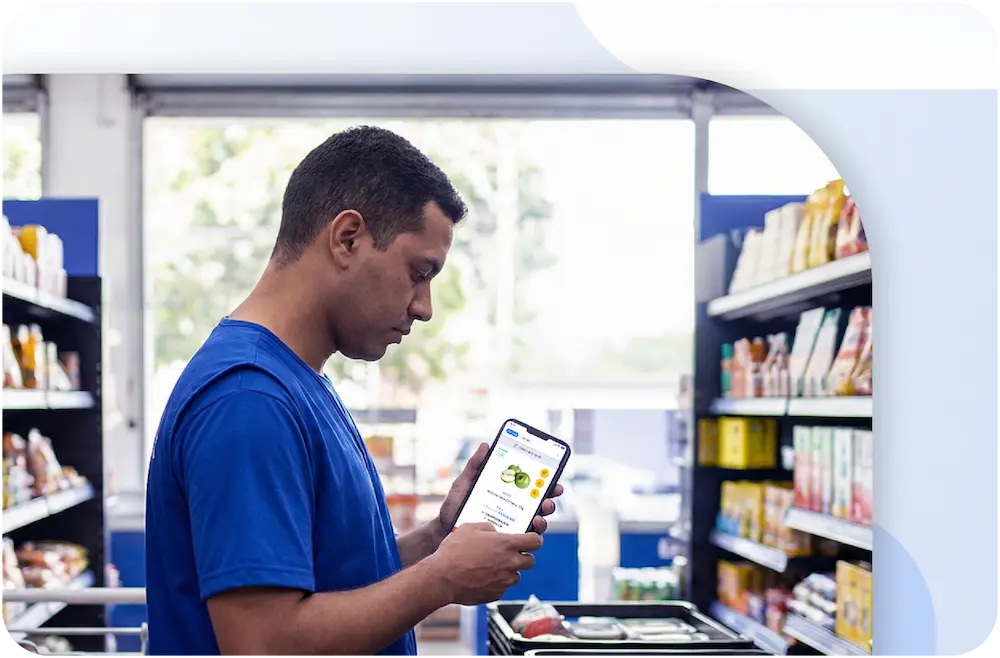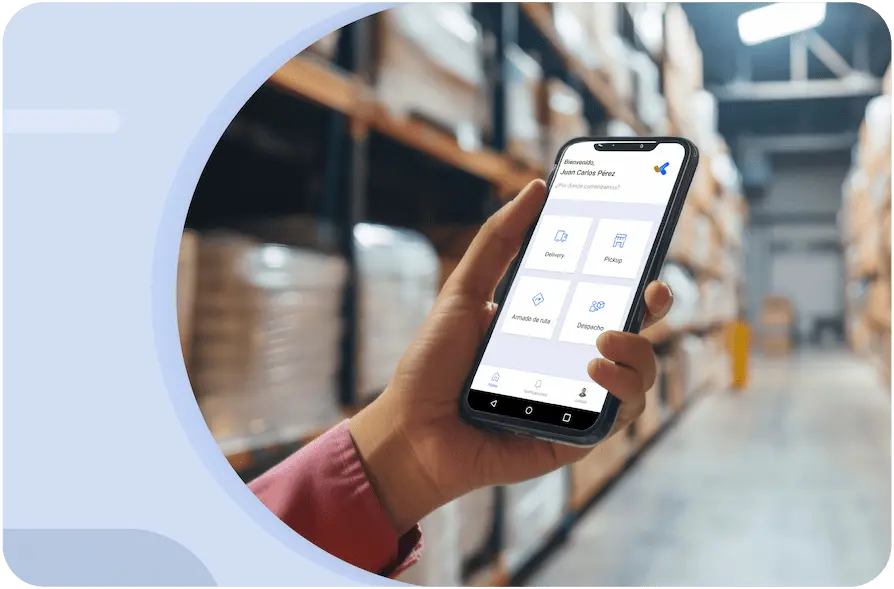
Order picking in logistics is the operational process of locating, selecting, and retrieving items that make up a customer order within a warehouse, distribution center, or retail store prior to packaging and dispatch. Accounting for 50% to 60% of total warehouse operating costs, optimizing picker travel routes is the single most effective lever for increasing order processing speed and reducing fulfillment errors in e-commerce.
The role of order picking in the supply chain
Picking is the decisive bridge where a digital order transforms into physical inventory ready for shipment. It takes place immediately after an order is assigned to an operational fulfillment node and right before packing (packaging and labeling).
An inefficient picking workflow—plagued by excessive walking distances, outdated inventory locations, or manual task assignment—causes immediate operational bottlenecks: it inflates order cycle times and increases picking errors (missing SKUs or wrong items), leading directly to customer complaints, cancellations, and costly return logistics.
Most common order picking methods in warehouses and stores
Selecting the right picking methodology depends on order volume, stock-keeping unit (SKU) diversity, and fulfillment center infrastructure:
Discrete picking (piece picking)
A picker collects all items for a single order from start to finish before moving on to the next. While simple to implement, it becomes highly inefficient as order volume scales, multiplying repetitive trips across the warehouse floor.
Batch picking
A picker collects items required for multiple orders sharing location or SKU proximity in a single wave. This approach evolves into multipicking, where a picker consolidates dozens of orders into one single route without requiring physical warehouse segmentation.
Zone picking
The warehouse is partitioned into designated zones, with pickers assigned exclusively to specific areas. Items picked across different zones are later consolidated at an assembly station to complete each order.
Wave picking
Orders are grouped into batches or "waves" based on specific operational criteria (carrier pickup windows, delivery priority, or route grouping) and released to the floor on a scheduled basis rather than continuously as they arrive.
Picking vs. packing: key differences in order preparation
Although often grouped together, picking and packing represent two distinct and sequential stages in order fulfillment:
| Stage | Primary Function | Operational Focus | Cost of Inefficiency |
|---|---|---|---|
| Picking | Locating and retrieving items across warehouses or retail aisles. | Route optimization, SKU accuracy, and picking throughput speed. | Preparation delays and incorrect items shipped to customers. |
| Packing | Boxing, cushioning, and labeling retrieved items for carrier dispatch. | Predictive carton selection, physical protection, and volumetric fit. | Oversized boxes, inflated dimensional freight rates, and shipping damage. |
A fast picking speed loses its value if the packing station becomes an unstandardized bottleneck.
Most common errors in manual order picking
Relying on manual picking processes exposes warehouse operations to recurring errors that erode profit margins:
- Excessive travel time: Suboptimal travel paths caused by static picking maps or outdated floor layouts.
- Arbitrary task assignment: Distributing orders without factoring in picker locations or carrier dispatch priority windows.
- Lack of real-time visibility: Absence of live tracking for pending orders and available fulfillment capacity.
- Single-order travel logic: Failing to batch orders with shared SKUs or adjacent bin locations.
- Reliance on static maps: Systems that lose routing accuracy the moment a product location changes on store shelves or warehouse racks.
How to optimize picking speed and accuracy
To eliminate friction across picker travel paths, high-performing fulfillment operations apply these industry best practices:
- Implement Batch Picking and Multipicking: Group SKUs from multiple orders into a single route to minimize total walking distance.
- Prioritize by carrier cutoff windows: Assign orders dynamically based on delivery routes or customer SLA priority rather than first-in, first-out sequence.
- Synchronize preparation with carrier capacity: Align picking throughput with scheduled carrier pickup times to prevent staging area congestion.
- Monitor real-time productivity: Measure key indicators (units picked per hour, route duration) to spot bottlenecks before SLAs are breached.
- Leverage dynamic route sequencing: Replace static maps with algorithmic technology that re-optimizes picking paths whenever physical inventory shifts.
Technology used to automate order picking
Order picking technology has evolved from rigid location mapping into **intelligent route optimization algorithms** that learn from real-world warehouse behavior.
Through tools like Janis Commerce’s **AI Picking Optimizer**, artificial intelligence engines analyze historical fulfillment data and live inventory positioning to automatically generate the most efficient retrieval path. This dynamic algorithm adapts instantly to product relocations without requiring manual re-mapping, **reducing picker travel times by up to 30%** and maximizing operational throughput on a Composable Platform.
Frequently asked questions
What is the difference between picking and packing?
Order picking is the physical retrieval of products from warehouse shelves or store aisles; packing is the subsequent stage where items are boxed, protected, and labeled for transport.
How can you improve picking speed in a warehouse?
By batching orders into unified picking rounds (batch picking / multipicking), prioritizing assignments based on carrier cutoff windows, and deploying automated route sequencing technology.
What technology is used to automate order picking?
AI algorithms that analyze fulfillment patterns to build optimal real-time collection routes, such as Janis Commerce's AI Picking Optimizer, eliminating reliance on static warehouse layouts.
Optimize your fulfillment picking with Janis Commerce
If your picking process still relies on static floor plans, manual assignments, or duplicate travel routes, significant opportunities exist to lower costs and errors without redesigning your warehouse. Discover how Janis Orders App and the AI Picking Optimizer transform end-to-end fulfillment for your enterprise.
Request a demo