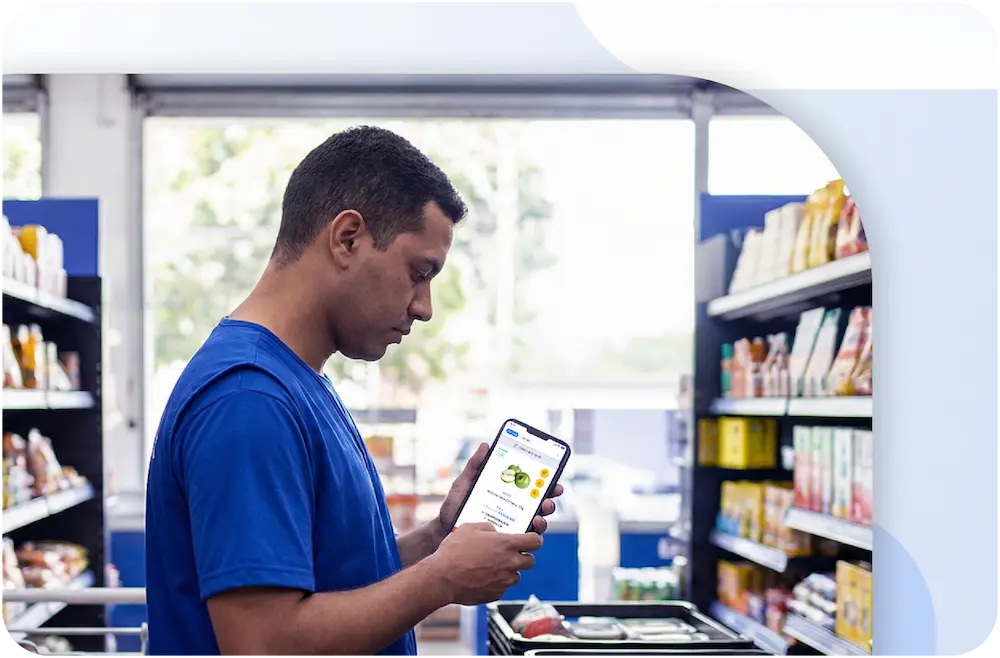
A B2B retail platform must, above all, provide distributors and franchisees with the same internal stock visibility as the company itself, paired with customer-specific pricing and commercial terms. Without this automation, every wholesale order devolves into manual back-and-forth over phone or messaging apps just to verify availability.
Why the B2B segment requires its own tailored solution
Selling to distributors, franchises, or wholesale accounts is fundamentally different from selling directly to end consumers, yet many enterprises still attempt to manage B2B operations using consumer-facing tools or, worse, manual spreadsheets.
A distributor needs accurate, real-time stock visibility before making commitments to their own buyers. A franchisee needs to reorder inventory seamlessly without calling headquarters. When this information is unavailable in real time, orders get confirmed and later canceled, eroding trust in critical long-term commercial relationships.
Key features every B2B retail platform must have
To operate efficiently at scale within wholesale channels, your tech stack must deliver the following core capabilities:
Customer & channel-segmented catalogs
Distributors and franchisees should access tailored views displaying their specific product mix, negotiated pricing, and commercial terms, rather than generic lists.
Real-time inventory visibility
B2B buyers need instant confirmation of stock availability at the exact moment an order is placed, eliminating multi-day confirmation delays.
Channel-specific ordering rules
Native support for minimum order quantities (MOQs), pack/case multiples, and custom pricing structures that do not apply to B2C channels.
ERP & WMS integration
Direct connectivity with legacy enterprise systems managing inventory, billing, and warehousing to ensure error-free, automated data flows.
Unified orchestration across B2B & B2C
A single inventory orchestration layer ensuring the stock exposed to B2B buyers perfectly mirrors real-world availability across e-commerce and retail stores.
How to provide real-time stock visibility to distributors and franchisees
The foundation lies in establishing a single source of truth for inventory, regardless of whether demand originates from a B2C storefront, a brick-and-mortar location, or a B2B wholesale order.
Building on this foundation, the B2B platform displays the exact inventory allocated to each client based on their geographic location, commercial agreement, and assigned fulfillment center. This eliminates two major operational bottlenecks: distributors confirming orders for out-of-stock items, and order delays caused by uncertainty over which distribution center should fulfill the request.
B2B vs. B2C: key differences in inventory management
While B2B and B2C serve distinct commercial goals, both operations must query the same centralized inventory system:
| Operational Aspect | B2C Execution | B2B Execution |
|---|---|---|
| Order volume | Low (individual units) | High: Bulk cases, cartons, or full pallets |
| Pricing structure | Fixed per sales channel | Customized: Negotiated by account or agreement |
| Order frequency | High and transactional | Scheduled: Calendar-based or trigger replenishment |
| Fulfillment destination | End-consumer home address | Logistics hub: Warehouse, store, or distributor node |
Siloing inventory management between B2B and B2C increases stock discrepancies. Applying unified fulfillment logic across all channels ensures real availability and operational precision.
How Janis Commerce solves B2B operations
Janis Commerce unifies inventory, orders, logistics, and multi-channel fulfillment—including B2C and B2B—into a single intelligent operational layer with end-to-end traceability. Its Catalog module enables teams to manage unified, omnichannel catalogs, applying custom pricing, availability rules, and attributes tailored to specific markets or account tiers.
This architecture is powered by an API-first Composable Platform that seamlessly integrates with existing ERPs, WMSs, and 3PL providers (+100 pre-built integrations), avoiding expensive and risky system replacements.
As an example at scale, a leading hard-discount chain in Mexico powers over 1,800 retail locations across 8 distribution centers using Janis Commerce—achieving unified stock visibility, automated replenishment, and complete process traceability. Its Distributed Order Management (DOM) module leverages this logic to orchestrate order fulfillment seamlessly across both direct-to-consumer and wholesale networks.
Frequently asked questions
What should a B2B retail platform include?
At a minimum, customer-segmented catalogs and pricing, real-time inventory visibility, channel-specific order rules (MOQs, pack multiples), and seamless integration with existing ERP and WMS systems—all powered by the same inventory source used by the B2C channel.
How can you provide real-time stock visibility to B2B clients?
By centralizing inventory across all nodes into a single source of truth and surfacing it to distributors or franchisees based on their location and commercial agreements, rather than updating stock manually or through batch processes.
What is the difference between managing B2B and B2C inventory?
B2B involves higher-volume orders, negotiated pricing, and deliveries to warehouses or retail locations, whereas B2C focuses on smaller order sizes, fixed channel pricing, and direct-to-consumer delivery. Both workflows must rely on the same stock to prevent inventory discrepancies.
Give your distributors and franchisees the visibility they need
If your wholesale accounts still rely on calls or emails to verify stock availability, it’s time to empower them with a modern B2B platform connected to your core operational intelligence.
Contact us