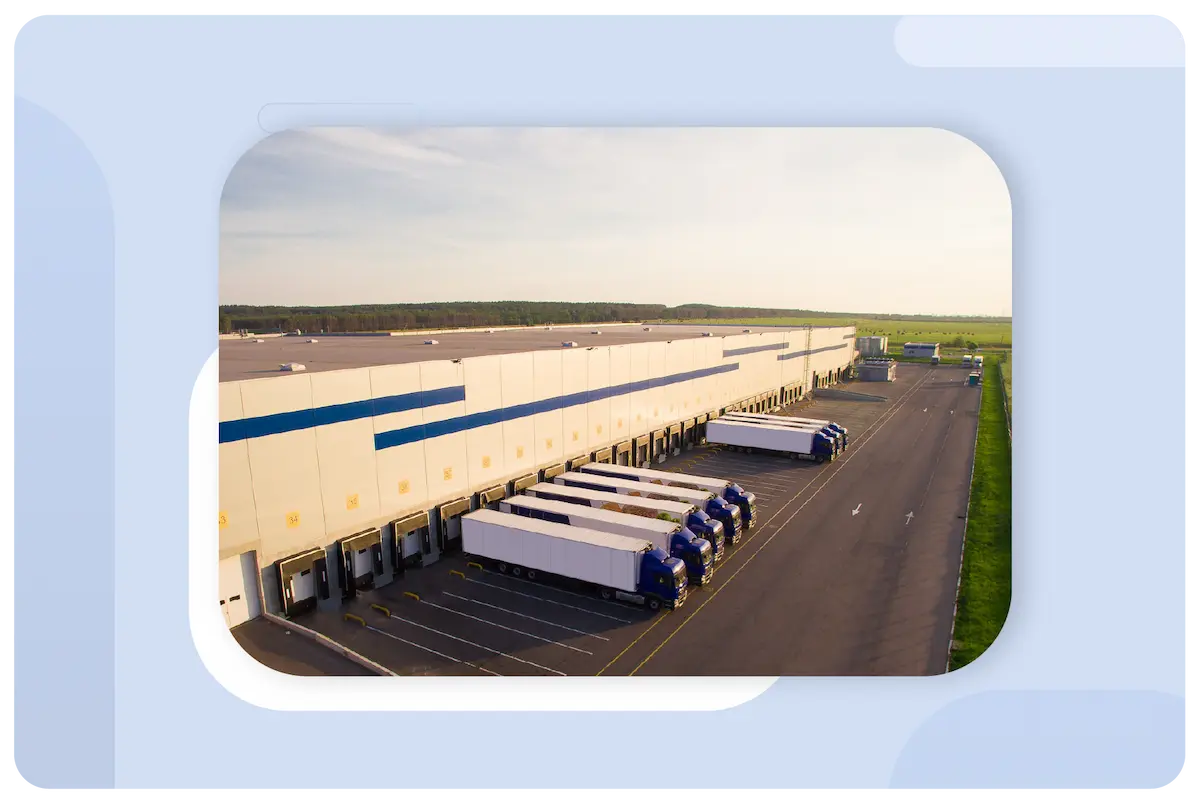
Disorganized internal logistics quickly shows in day-to-day operations: stock discrepancies between warehouses and stores, inventory transfers stuck "in transit" for days, and teams spending hours reconciling manual spreadsheets. Resolving these bottlenecks doesn't require hiring more audit staff—it requires structuring the process with clear operational rules and real-time inventory visibility.
Why internal logistics is a blind spot in many retail operations
When a company operates multiple warehouses, retail locations, and dark stores, moving inventory between nodes transitions from an occasional task into a daily operational necessity. Yet, many enterprises continue managing stock transfers using manual workflows or disconnected systems operating in silos between central warehouses and stores.
This technological disconnect causes system inventory to drift out of sync with actual physical stock. Consequently, operations face online overselling, order cancellations, and logistics teams forced to spend their days putting out operational fires instead of managing a predictable supply chain.
5 key pillars for error-free stock transfers
To turn internal inventory transfers into an agile, reliable workflow, operations must be anchored on five core strategic pillars:
1. Real-time stock visibility across all fulfillment nodes
You cannot effectively manage stock transfers without instant, accurate inventory visibility. Synchronizing stock levels in real time across central warehouses, stores, and dark stores is essential, eliminating batch updates or end-of-day syncs.
2. Complete end-to-end traceability for every movement
Every stock movement must systematically capture origin, destination, quantity, reason code, and responsible user. Without end-to-end auditing, inventory variance turns into a complex, manual investigation.
3. Automated rules that trigger stock replenishment
Automating when and how much inventory to transfer—based on demand signals, stockout alerts, or target replenishment levels—removes reliance on manual order requests or forgotten emails.
4. Immediate system sync over batch processing
A stock movement reflected hours late creates a dangerous window of operational inconsistency where the system displays phantom inventory, driving online overselling and cancellations.
5. Elevating retail stores into active logistics nodes
In omnichannel commerce, stores are no longer passive sales outlets: they actively fulfill online orders, receive transfers, and replenish neighboring locations within a unified logistics network.
The hidden cost of unaddressed stock transfers
Relying on legacy inventory transfer processes creates hidden operational costs that directly erode profitability and customer satisfaction:
| Operational Problem | Root Cause | Business Impact |
|---|---|---|
| Inventory variance | Batch inventory updates or manual logging | Discrepancies: Inauditable gaps between physical stock and system records |
| E-commerce overselling | Lack of visibility into stock in transit | Lost Trust: Increased order cancellations and lower NPS |
| Wasted labor hours | Dependence on Excel spreadsheets and email threads | Inefficiency: Teams focused on data reconciliation over operational execution |
| In-store lost sales | Stockouts caused by delayed store replenishment | Friction: Poor end-customer experience and reduced basket size |
How Janis Commerce Inventory and DOM streamline internal logistics
The Janis Commerce Inventory module provides centralized stock visibility across all operational nodes (warehouses, retail stores, and dark stores), enabling automated replenishment rules that prevent stockouts and overselling. Every inventory movement or transfer is reflected instantly across your entire tech stack.
This capability is further amplified by the Janis Commerce Distributed Order Management (DOM) module, which evaluates real-time stock availability, distance, and node capacity to determine the optimal fulfillment point. With this level of orchestration, physical stores seamlessly operate as active fulfillment hubs within your supply chain.
This orchestration proves essential in high-complexity sectors such as omnichannel grocery. Major enterprise retailers across LATAM, including Walmart, Carrefour, and Chedraui, leverage Janis Commerce to optimize internal logistics and reduce operational costs by up to 50%.
Frequently asked questions
What is internal logistics, and why is it critical in omnichannel retail?
Internal logistics refers to the movement of inventory between a company's own facilities—warehouses, distribution centers, retail stores, and dark stores—before reaching the end customer. In omnichannel retail, it is critical because all sales channels depend on the same unified inventory pool.
How should inventory transfers between locations be tracked?
Every inventory movement should be recorded in real time, logging origin, destination, quantity, reason code, and responsible user. Automating this process with system-driven business rules instead of manual spreadsheets drastically reduces human error.
What operational issues stem from poor internal logistics management?
Poor internal logistics creates inventory discrepancies between physical stock and system records, e-commerce overselling, order cancellations due to phantom stock, and wasted staff hours spent manually reconciling data.
Streamline your internal logistics with Janis Commerce
If stock transfers between your warehouses and stores cause errors, inventory drift, or operational delays, it’s time to centralize your logistics decisions with a real-time operational intelligence layer.
Contact us